Elevate Your Outdoor Living Area: Fresh Deck Design Solutions for Every Type of Home
Elevating an outdoor space using innovative deck design significantly improves its aesthetic value and practicality. Deliberate decisions in layout, materials, and finishing touches are essential for creating an inviting atmosphere. When property owners aim to take full advantage of their open-air areas, understanding the key elements of effective deck design becomes vital. What strategies can elevate a simple deck into an enchanting retreat? Investigating the numerous features can reveal numerous possibilities for any home.
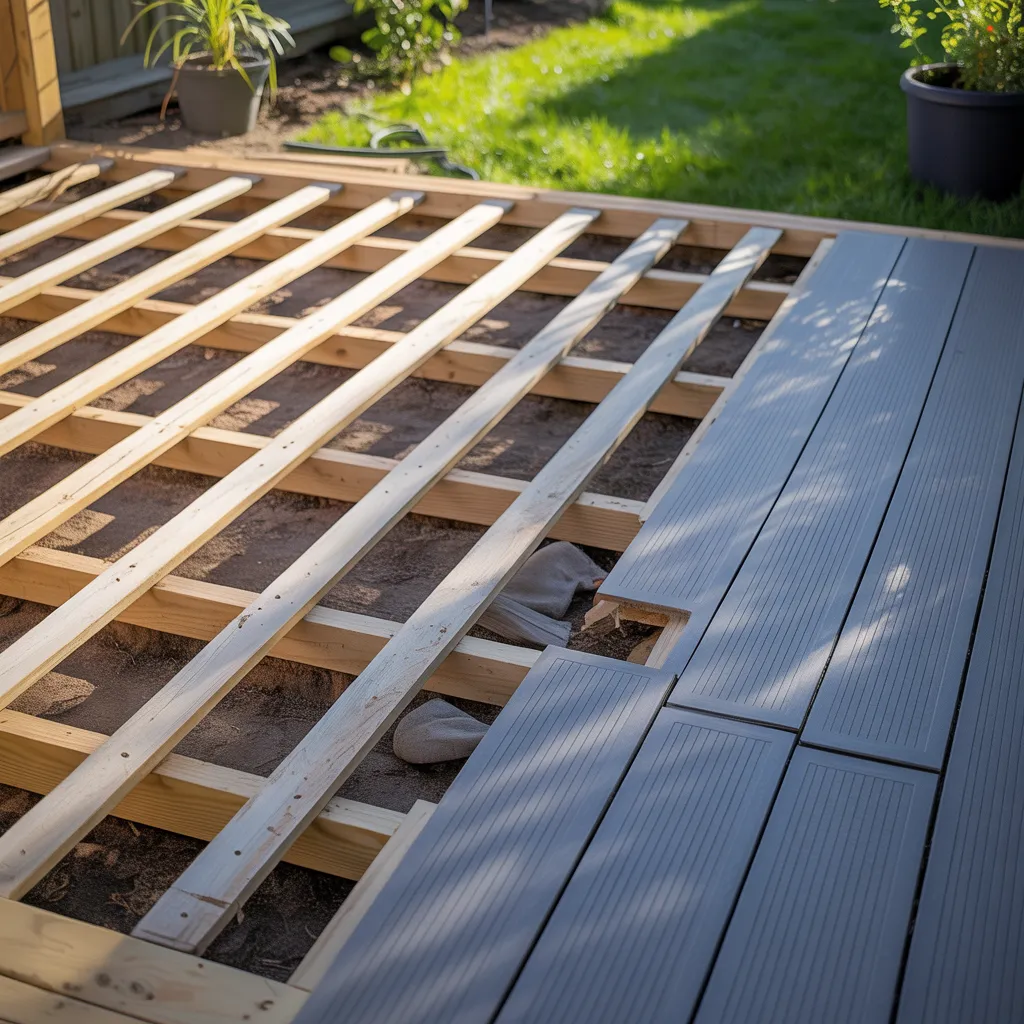
Picking the Ideal Decking Materials for Your Space
When choosing deck materials, how can one identify the ideal choice for their exterior living area? A careful evaluation of several factors is necessary. First and foremost, weather conditions play a significant role; materials should be capable of enduring local climate conditions. As an example, composite decking offers durability in humid environments, while pressure-treated wood is better suited for drier climates.
Additionally, maintenance needs must be taken into account. Certain materials require periodic sealing or staining, while others require minimal upkeep. The desired aesthetic also influences the choice; homeowners may prefer the natural look of wood or the polished look of composite or PVC alternatives.
Financial limitations represent another key consideration, as costs can vary considerably between materials. Additionally, considering the intended use of the deck—such as hosting gatherings or creating a serene retreat—will help guide the decision. By weighing these aspects, homeowners can choose decking materials that complement their outdoor area while fulfilling functional requirements.
Focusing on Functionality Before Aesthetics
Choosing the right decking materials paves the way for the next essential phase in outdoor deck planning: placing functionality above aesthetics. Property owners should initially consider how the deck will be utilized, considering factors such as entertaining, dining, or relaxation. Effective design incorporates elements like built-in seating, storage solutions, and access points for easy movement.
Weather resistance and upkeep considerations also serve a critical function in ensuring the deck stays functional across all seasons. As an illustration, composite materials provide long-lasting durability, while non-slip surfaces improve overall safety.
In addition, integrating features such as shade installations can enhance the comfort level without sacrificing ease of use.
In the end, a well-designed deck improves the outdoor living experience, helping homeowners to get more out of their outdoor area. By focusing on essential requirements first, visual elements can be seamlessly added later, creating a unified and practical outdoor living space. Harmonizing these aspects confirms the deck serves its intended purpose while still being beautiful to look at.
How to Design Multi-Level Decks for Visual Appeal
Upgrading exterior areas through multi-tiered decking creates compelling visual dimension and improves practicality. By changing the tiers of the outdoor platform, residents can create distinct areas for multiple uses, such as relaxing, entertaining, or planting. This layered approach not only utilizes the space efficiently but also fosters a feeling of privacy and division between each zone.
To attain this look, careful planning is essential. Homeowners ought to assess the land's natural curves and the perspective from multiple viewpoints. Including steps or ramps can join varying elevations smoothly while guaranteeing security. Using diverse materials—like wood, composite, or stone—can significantly elevate the visual impact, permitting innovative design arrangements.
Moreover, adding built-in seating or planters at multiple levels contributes both practicality and aesthetic beauty. In the end, a carefully planned tiered deck elevates a typical outdoor space into a stunning, layered outdoor space that fosters comfort and enjoyment.
Implementing Smart Lighting Choices for Your Deck
Thoughtful lighting installations can turn a deck into a captivating nighttime sanctuary, boosting both visibility and aesthetic appeal. Purposefully installed lights can light up pathways, providing secure passage while enhancing visual appeal. Alternatives such as inset lighting in steps or underneath handrails provide subtle illumination without overwhelming the space.
Decorative string lights can create a cozy, welcoming atmosphere, stringing them across overhead beams or pergolas for a celebratory touch. Stake lights or solar-powered lanterns are environmentally friendly options that need little setup, offering a subtle radiance throughout the night.
For a more modern approach, LED strips can be installed under fixtures or along deck edges, providing adjustable colors and light intensity. In addition, including dimming capabilities allows homeowners to adjust the mood, making the deck suitable for both lively gatherings and intimate evenings. Through combining practicality with visual appeal, thoughtful lighting choices improve the overall feel of exterior living spaces.
Building Cozy Outdoor Living Environments
Crafting a comfortable outdoor living space calls for careful selection of cozy seating options, which invite relaxation and conversation. In addition, ambient lighting solutions can transform the atmosphere, making evenings more inviting. Including cozy fire features additionally provides warmth and a focal point, transforming the deck into a enchanting sanctuary.
Cozy Seating Selections
As outdoor spaces frequently function as extensions of the home, the right seating options can transform them into inviting havens for relaxation and socialization. To achieve this, homeowners may consider a variety of choices that balance comfort and style. Comfortable lounge chairs, cushioned outdoor sofas, and hammocks establish cozy nooks for relaxation. Modular seating provides versatility and can host bigger groups, while integrated benches optimize space and deliver a cohesive appearance. Incorporating cushions and decorative pillows boosts comfort and encourages extended visits. To introduce a refined quality, wicker or rattan selections merge long-lasting construction with timeless beauty. At the core of it all, picking the perfect seating arrangements not only enriches the visual appeal but also nurtures an inviting setting for family and guests.
Environmental Lighting Solutions
Transforming outdoor spaces into cozy retreats depends heavily on the right ambient lighting solutions. Carefully planned illumination can elevate the ambiance, rendering spaces more appealing for unwinding and hosting guests. Selections including string lights, lanterns, and solar-powered lights generate a cozy luminance that reduces sharp shadows and showcases design elements. Incorporating dimmable lights allows for versatility, tailoring light intensity to complement a range of settings. Furthermore, embedded lighting in deck railings or stairs provides security while enhancing the general atmosphere. Blending multiple light sources, from low-level to elevated, establishes depth and character. With thoughtful arrangement of these components, one can create a peaceful atmosphere that encourages guests to decompress and savor the wonders of the outdoor world.
Inviting Fire Features
Cozy fire features can significantly enhance outdoor entertainment zones, providing warmth and a focal point for gatherings. These additions, ranging from fire pits to elegant outdoor fireplaces, establish a welcoming environment ideal for entertaining or unwinding beneath the night sky. Property owners have the option to select from numerous materials and designs, like traditional stone, rustic brick, or sleek metal styles, to match their current outdoor aesthetic. Additionally, incorporating comfortable seating around the fire enhances the experience, encouraging friends and family to linger. While planning, it's crucial to take into account safety and local regulations regarding open flames. In the end, a thoughtfully crafted fire installation converts an exterior space into a year-round sanctuary, enabling residents to make the most of their outdoor area throughout the year.
Vital Deck Maintenance Tips for Extended Lifespan
Maintaining a deck is essential for ensuring its longevity and preserving its visual appeal. Consistent cleaning forms a critical foundation; clearing away waste and cleaning the surface can prevent mold and mildew growth. It is recommended to utilize a soft cleaning product specifically designed for deck materials, guaranteeing that no strong chemicals deteriorate the surface.
Examining the deck for wear and tear, such as loose boards or splintering, is vital. Immediately tackling these concerns can stop additional damage from occurring. Furthermore, using a weather-resistant sealant every few years helps shield the deck from weathering and ultraviolet damage, increasing its longevity.
Routine seasonal upkeep, including inspecting metal fixtures for rust and securing any loose screws, must not be ignored. Finally, during winter, eliminating snow and ice buildup will protect against unwanted strain and deterioration. By implementing these critical maintenance practices, homeowners will be able to appreciate a gorgeous and resilient deck for the foreseeable future.
Customizing Your Deck: Distinctive Features and Accessories
A properly cared-for deck offers a perfect canvas for personalization and creativity. Property owners can transform their outdoor areas by integrating special features and accents that express their individual taste. To illustrate, stylish railings, such as glass panels or intricate wrought iron, can enhance visual appeal while ensuring safety.
Additionally, integrating built-in seating or storage solutions allows for utility without compromising style. Outside rugs, cushions, and throw blankets in rich and vivid shades can foster a comfortable and relaxing setting, turning the deck into an appealing escape.
Illumination choices, such as string lights, lanterns, or recessed fixtures, can enhance the atmosphere during after-dark events. Incorporating planters filled with seasonal flowers or herbs introduces an organic feel, while an outdoor fireplace or patio heater extends usability into cooler months. By carefully choosing these features, property owners can design a customized outdoor space that balances practicality and aesthetics, establishing it as a natural expansion of their residence.
Common Questions and Answers
What Are the Best Plants to Complement My Deck Design?
To enhance a deck design, think about adding decorative grasses, stunning flowering perennials, and hardy succulents. Such plants provide visual texture, vibrant color, and seasonal variety, elevating the overall appearance while establishing a warm and welcoming outdoor space.
How Do I Create Privacy for My Outdoor Deck Area?
To boost privacy on an exterior deck, one can utilize tall planters, trellises with climbing plants, outdoor curtains, or privacy screens. These features establish a private environment, permitting tranquil and comfortable use of the outdoor area.
What Permits Are Needed for Building a Deck?
Before beginning deck construction, you will typically need to obtain construction permits from background information local authorities. The specific requirements vary by region, typically involving compliance with zoning laws, site plans, and structural requirements to ensure legal compliance and safety.
What Is the Best Way to Choose a Deck Color Scheme?
To select the right deck color scheme, you should consider the home's outside appearance, nearby landscape, and personal preference. Coordinating these aspects produces a balanced visual while making sure the deck complements its surroundings successfully.
Can a Deck Be Installed on Sloped or Uneven Land?
Absolutely, a deck can be built on uneven terrain by employing adjustable post bases or erecting a raised platform. Careful planning and leveling are necessary to ensure the safety and stability of the entire structure.